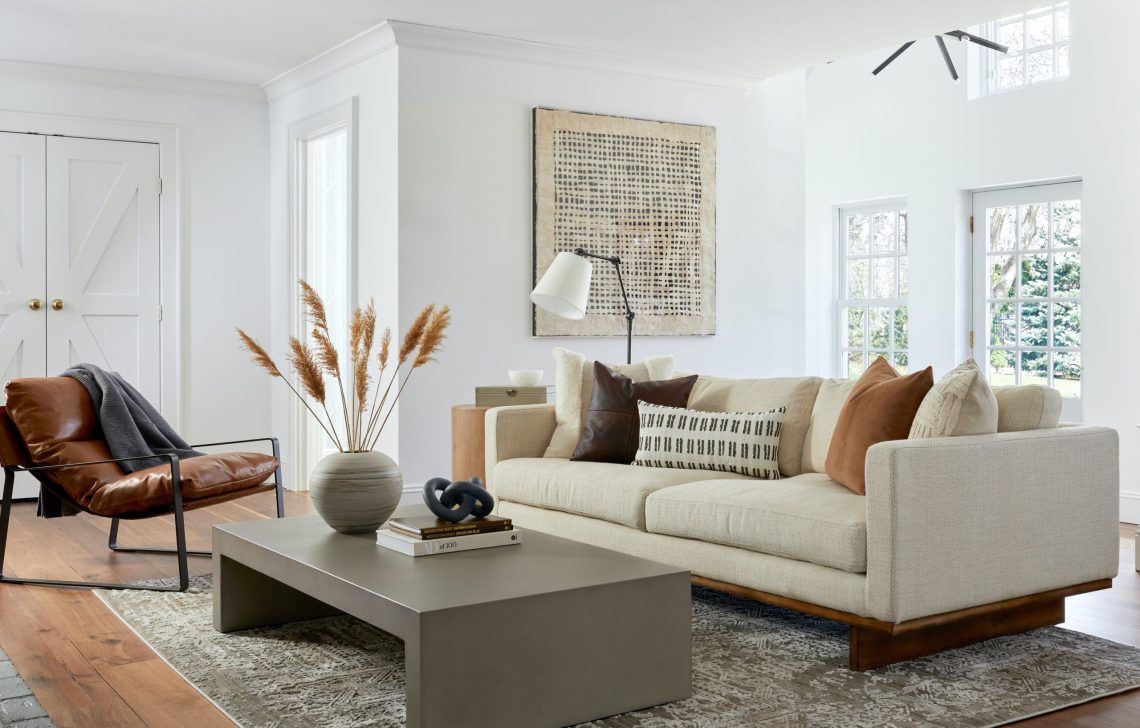
It’s funny how it works. Buyers will walk through a home and say they’re looking for square footage, bedroom count, or a finished basement… yet what actually sticks with them are the little things. The ones they might not even consciously realize they’re noticing.
I’ve walked through hundreds of homes with buyers, and I can tell you this with confidence: first impressions aren’t about granite or paint brands. They’re about how a home feels the moment someone steps inside — and often, that feeling is created by details most sellers overlook.
Let’s talk about those details, and how to get them right.
The front door moment
Before a buyer ever sees your kitchen or primary suite, they’ve already formed an opinion standing on the front porch. A sticky door, peeling paint, or cluttered entry instantly creates friction. On the flip side, a clean welcome mat, a freshly painted door, and simple planters signal pride of ownership.
This is where buyers subconsciously decide, “If this looks cared for, the rest probably is too.”
Quick win: Clean the door, polish the hardware, and add one intentional touch — nothing seasonal overload, just warm and inviting.

Light (or lack of it)
Buyers notice light immediately. Dark rooms feel smaller, heavier, and less inviting — even if the space itself is great. Closed blinds, burned-out bulbs, or mismatched lighting temperatures quietly work against you.
Quick win: Open every blind, replace bulbs with soft, warm light, and turn lamps on for showings. Light equals life.
Smell tells a story
This one is huge — and often uncomfortable to talk about. Buyers may not comment on odor, but they will remember it. Pet smells, heavy candles, old cooking odors, or mustiness instantly raise red flags.
The goal isn’t to make the house smell like a candle store — it’s to make it smell like nothing at all.
Quick win: Deep clean, air out the home, and skip overpowering scents. Clean and neutral always wins.
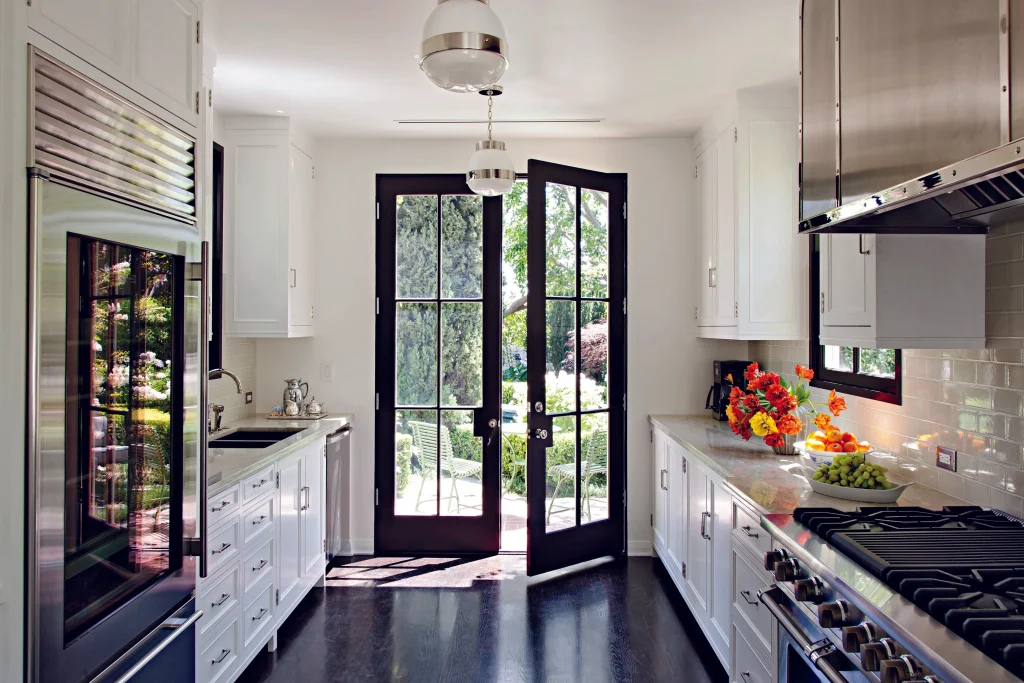
The kitchen sink test
Buyers almost always glance at the sink. A stack of dishes, water spots, or cluttered counters break the illusion of space and cleanliness — even in an updated kitchen.
Quick win: Clear the counters, dry the sink, hide soap bottles, and add one simple accent like a folded towel or small plant.
Closets (yes, really)
Buyers open closets. They don’t expect perfection, but they do notice when doors barely open or shelves are crammed full. Overstuffed closets signal “not enough storage,” regardless of the actual size of the home.
Quick win: Remove about 30% of the contents and organize what’s left. Space sells.
Bathrooms feel personal fast
Bathrooms are intimate spaces, and buyers want them to feel fresh, clean, and calm. Old towels, personal products, or worn shower curtains distract instantly.
Quick win: Fresh white towels, clear counters, clean mirrors, and a simple spa-like vibe go a long way.
Noise, temperature, and comfort
Squeaky doors, rattling vents, rooms that feel too warm or too cold — buyers notice comfort issues immediately. Even small annoyances can turn into mental objections.
Quick win: Fix squeaks, adjust the thermostat, and make sure the home feels comfortable the moment someone walks in.
The emotional takeaway
Most buyers won’t remember every feature — but they will remember how your home made them feel. Calm. Comfortable. Cared for. Or rushed, cluttered, and overwhelming.
The little things aren’t little at all. They’re the difference between a buyer saying, “This is nice,” and “This feels like home.”
That’s why, when I prepare a home for the market, I don’t just focus on pricing and photos — I focus on the experience. Because buyers don’t fall in love with stats. They fall in love with moments.
Coming up next on LifestyleLivingWithJen.com:
How small, strategic prep before listing can shorten days on market — and protect your final sales price.
If you’re thinking about selling and wondering which “little things” matter most in your home, I’m always happy to walk through it with a buyer’s eye.

Jennifer MacLeod – Associate Broker Wiens and Roth Real Estate