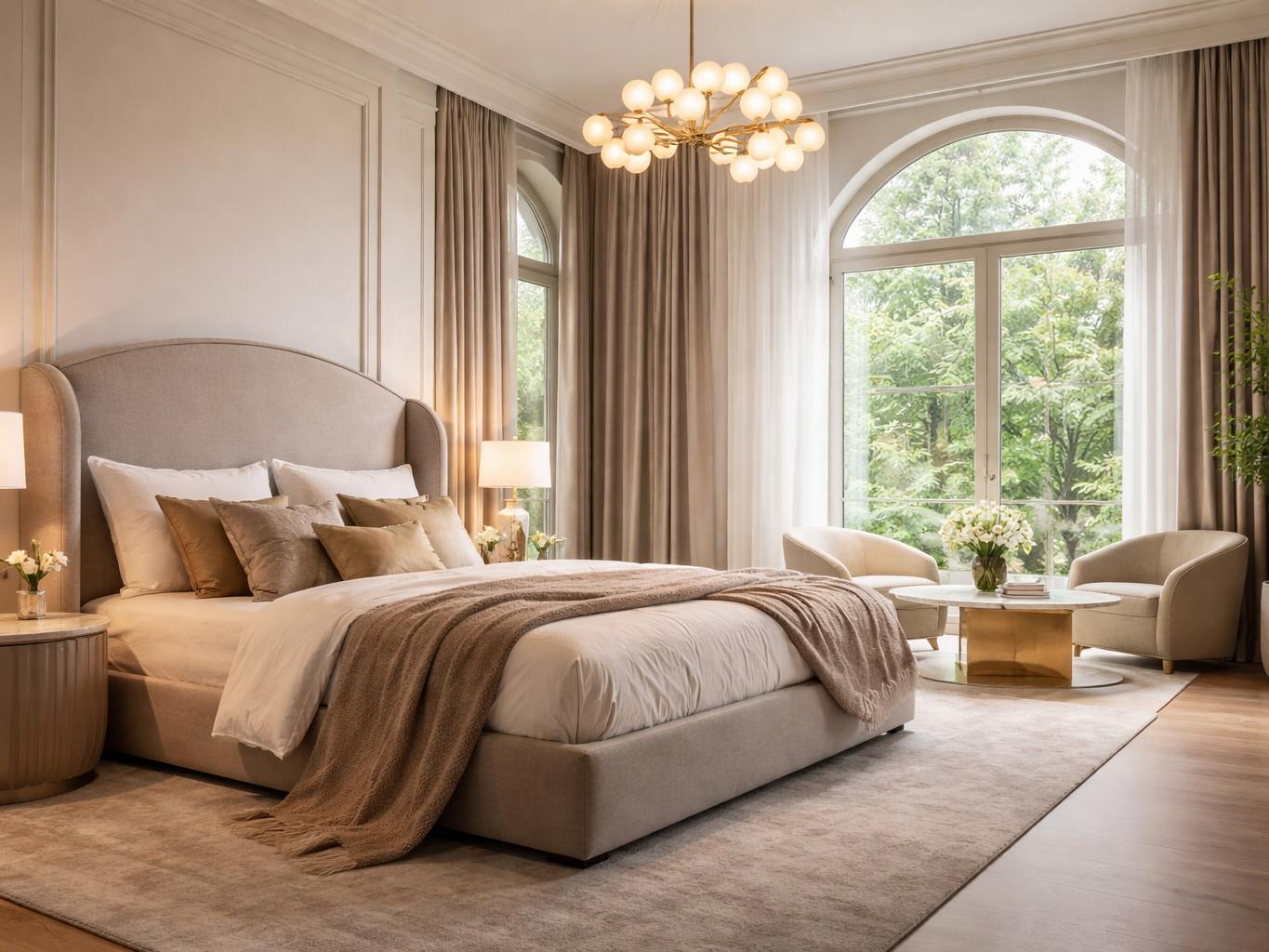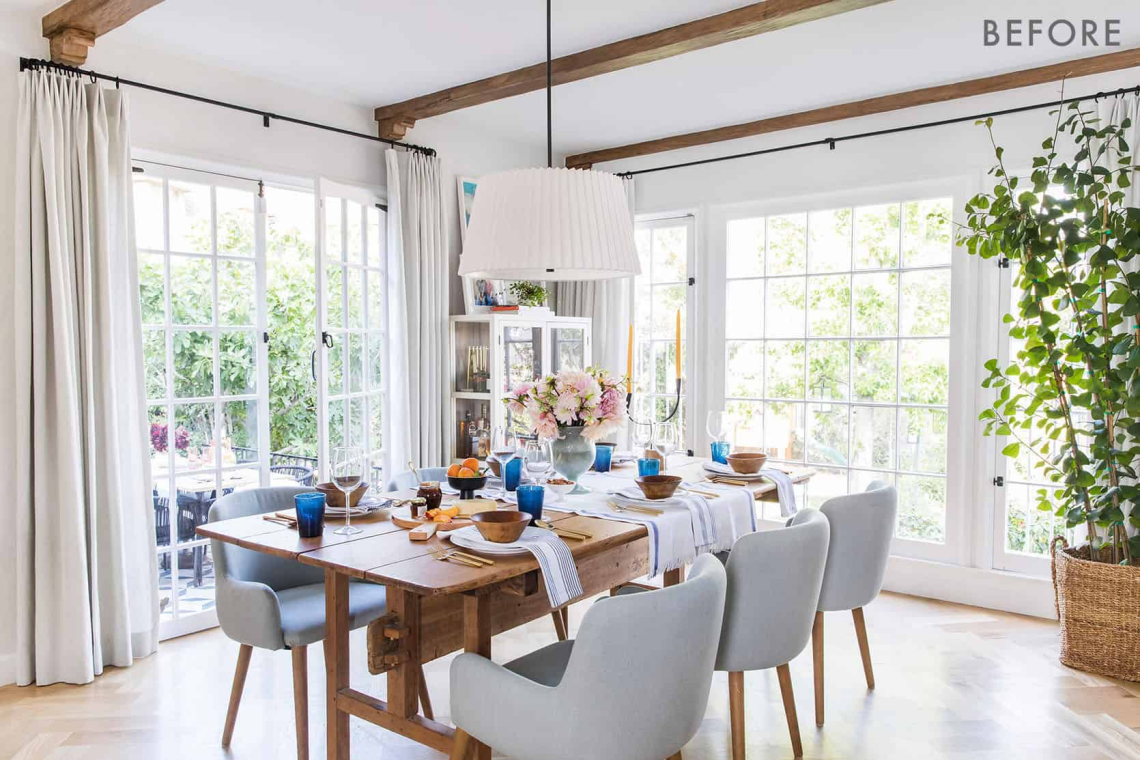
Walk into a beautifully staged home and something happens almost instantly. Your shoulders relax. You picture where the coffee maker would go. You imagine Sunday mornings, holiday dinners, quiet evenings at home. That reaction—that feeling—is exactly what sells homes.
Because buyers don’t fall in love with square footage or floor plans.
They fall in love with the lifestyle a home promises.
And that’s the secret power of staging.
Why Staging Works (Even When Buyers Say It Doesn’t)
Buyers often say, “I can see past the furniture.”
But what they really mean is they want help imagining themselves living there.
Staging removes distractions and replaces them with intention. It guides the eye, highlights the home’s strengths, and gently answers the buyer’s unspoken question:
“What would my life feel like here?”
When done well, staging:
- Makes rooms feel larger and more balanced
- Creates emotional connection within seconds
- Helps buyers remember your home over the others
- Often leads to stronger offers and faster sales
In today’s market, where buyers scroll listings before they ever step inside, staging starts working online first.
Selling a Feeling, Room by Room
The Living Room: Comfort & Connection
This is where buyers imagine unwinding, hosting friends, or cozy evenings at home. Clean lines, neutral tones, and intentional furniture placement make the space feel inviting—not crowded.
The Kitchen: Ease & Everyday Luxury
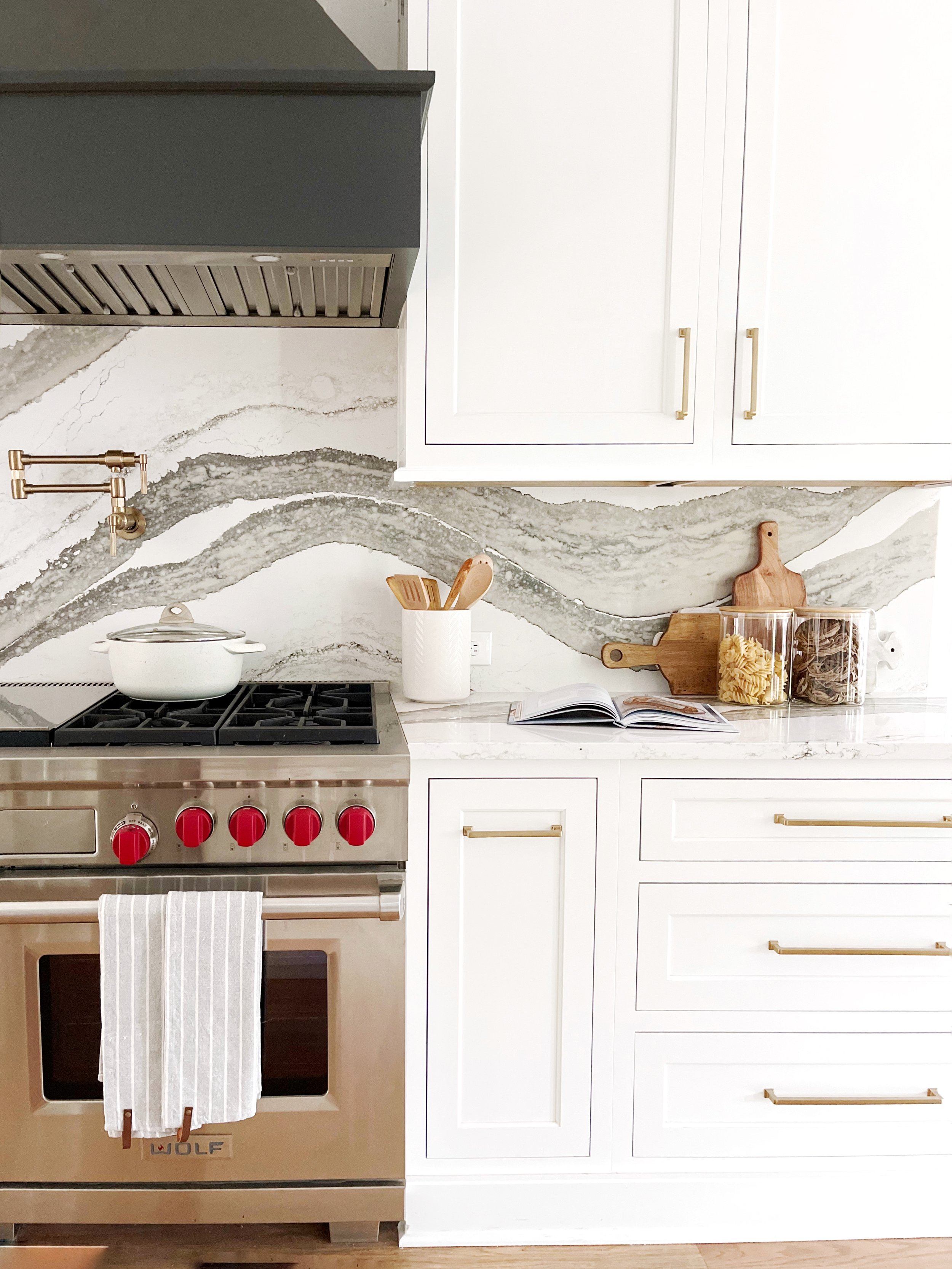
A few well-placed details—fresh flowers, a bowl of lemons, clean counters—signal a kitchen that’s ready for real life and entertaining. Buyers don’t want to see your kitchen tools; they want to imagine theirs.
Bedrooms: Calm & Escape
Bedrooms should feel like a retreat. Soft textures, neutral bedding, and minimal décor help buyers emotionally exhale. If a room feels peaceful, buyers linger—and lingering is a good sign.
Entryways: First Impressions Matter
That first step inside sets the tone. A simple console, mirror, or welcoming accent tells buyers they’ve arrived somewhere special.
The Difference Between Decorating and Strategic Staging
Decorating is personal.
Staging is purposeful.
Staging isn’t about trendy furniture or expensive accessories—it’s about highlighting flow, scale, and light while appealing to the widest range of buyers possible.
That’s why professional staging (or guided staging as part of a white-glove listing experience) consistently outperforms vacant or overly personalized homes.
What Sellers Often Get Wrong
Here’s what I see most often:
- Too much furniture that shrinks rooms
- Personal photos that pull buyers out of the experience
- Bold colors that limit buyer imagination
- “Lived-in” spaces that feel cluttered on camera
The goal isn’t perfection—it’s possibility.
My Approach to Staging: Thoughtful, Not Overdone
I believe staging should feel elevated but approachable—never cold or cookie-cutter. Whether that means light styling guidance, partial staging, or full professional staging, the strategy is always the same:
Position the home so buyers emotionally connect before they logically analyze.
That emotional connection is what turns a showing into an offer.
The Bottom Line
Homes don’t sell because they’re listed.
They sell because buyers feel something when they walk through the door.
Staging is how we create that feeling—intentionally, strategically, and beautifully.
If you’re thinking about selling and wondering how to make your home stand out without overdoing it, this is where a thoughtful plan makes all the difference.