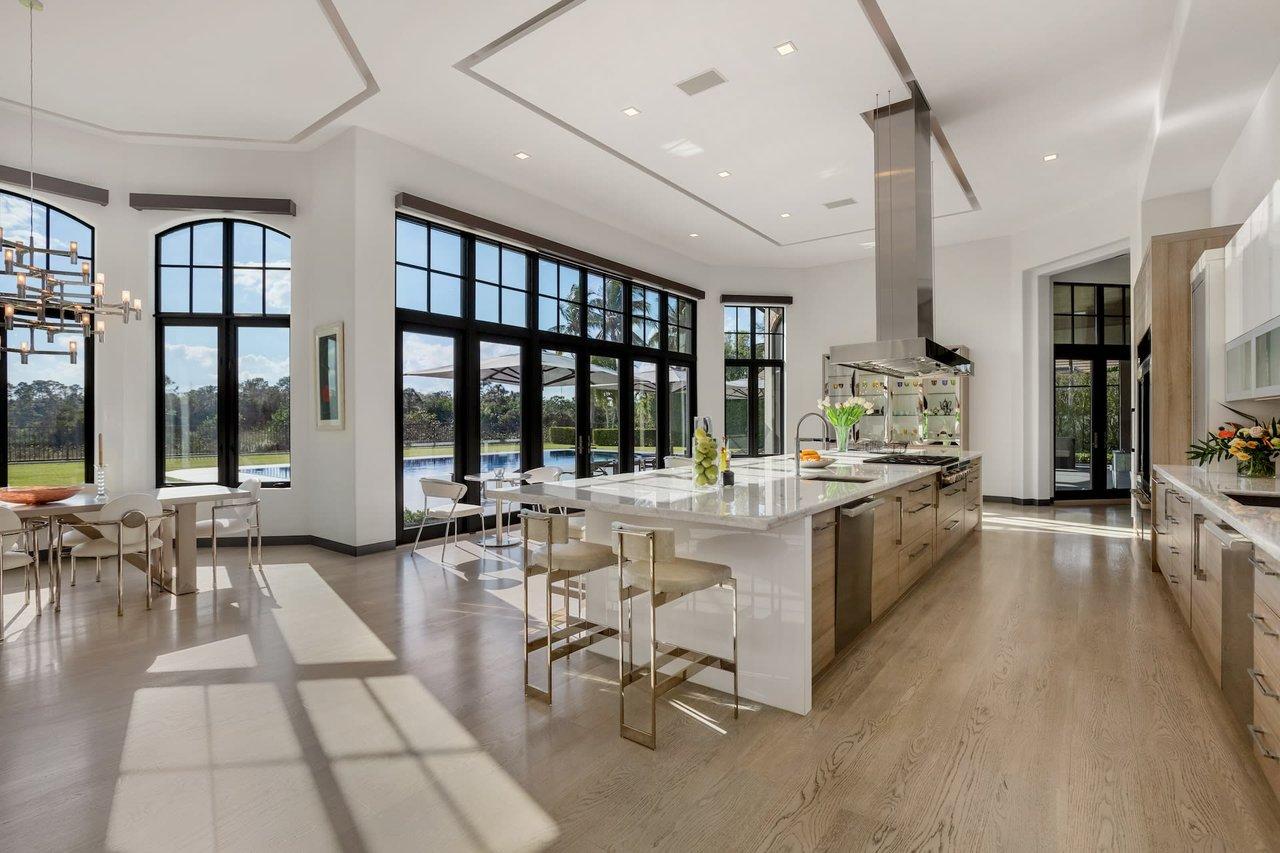
There’s something exciting about building a home from the ground up. Instead of adapting your life to someone else’s choices, you get to imagine the kitchen where everyone will gather, the porch where you’ll spend summer evenings, the home office that actually works for the way you live, and the spaces you hope to enjoy for years to come.
But before the first shovel hits the ground, there are some important questions to ask before building a house. The decisions you make early can affect your budget, timeline, financing, future maintenance, resale value, and ultimately how well your finished home fits your life.
Building a home isn’t simply about choosing a floor plan, finding a builder, and picking finishes. It’s about making sure the home, property, builder, financing, and overall plan work together.
As part of our Building with Confidence series, we’ve been taking a closer look at what buyers should know about new construction. If building is somewhere on your horizon, these are ten questions worth answering before you break ground.
1. One of the Most Important Questions to Ask Before Building a House: What Can I Comfortably Afford?
One of the first numbers buyers see is often a builder’s advertised starting price, but that number rarely represents the final cost of the home.
Lot premiums, site preparation, utility connections, permits, upgraded finishes, appliances, landscaping, driveways, lighting, window treatments, and change orders can quickly move the final number higher.
Before falling in love with a floor plan, establish a realistic all-in budget. Talk with a lender who understands construction and new-build financing, and leave room for choices you may want to make along the way.
The goal isn’t simply determining what you can spend. It’s deciding what you’re comfortable spending while still leaving room for the lifestyle you want once you move in.
2. Should I Find the Land or the Builder First?
There isn’t one right answer, because the two decisions are closely connected.
A beautiful piece of property may come with unexpected challenges involving zoning, setbacks, soil conditions, wetlands, utilities, septic requirements, driveway access, or the cost of preparing the site. Likewise, some builders work primarily in certain communities or have requirements regarding the lots they’ll build on.
Before purchasing land, understand whether the home you envision can realistically and affordably be built there.
This is one of the reasons I encourage buyers to assemble their team early rather than making each decision independently.
3. What Type of Builder Is Right for Me?
Not every builder offers the same experience.
A production builder may offer established floor plans and streamlined selections. A semi-custom builder may allow you to modify layouts and finishes while still working within an existing framework. A fully custom builder can offer considerably more flexibility but often requires more decisions, time, and budget.
The best builder isn’t necessarily the biggest name or the lowest price. It’s the builder whose process, communication style, quality, flexibility, and expectations align with yours.
4. Does This Floor Plan Actually Fit the Way I Live?
It’s easy to be impressed by a beautiful model home. The better question is whether the layout works on an ordinary Tuesday.
Where will groceries land when you walk in from the garage? Is there enough storage? Where will guests gather? Do you really want a completely open floor plan? Will you use a formal dining room? Do you need a dedicated office? Would a first-floor primary suite make the home work better as you get older?
Think beyond square footage and consider how you actually move through your home.
A well-designed 2,000-square-foot home can sometimes live far better than a poorly planned 2,700-square-foot one.
5. What Is Included and What Is an Upgrade?
As you work through the questions to ask before building a house, one of the biggest areas of confusion is often what the quoted price actually includes.
This is where buyers need to slow down and ask questions.
The model home may showcase upgraded cabinetry, flooring, countertops, lighting, trim, appliances, plumbing fixtures, ceiling heights, windows, and outdoor features that aren’t included in the base package.
Ask for detailed specifications showing exactly what is standard. Then identify the upgrades that matter most to you before signing the contract.
It’s much easier to manage expectations when you understand what your starting price actually includes.
6. Where Should I Spend More, and Where Can I Save?
Not every upgrade delivers the same long-term value.
Structural choices are generally much harder and more expensive to change later than cosmetic ones. Adding windows, changing ceiling heights, expanding a garage, modifying a room, moving plumbing, or creating a covered porch may be worth considering during construction.
Paint colors, decorative lighting, some flooring, and other finishes can usually be changed later.
Your priorities should reflect your lifestyle, but I also encourage buyers to consider future marketability. Even when you’re building your “forever home,” life has a way of changing.
7. How Will Financing Work During Construction?
Financing a new build can look very different from purchasing an existing home.
Depending on the builder and property, you may encounter construction loans, construction-to-permanent financing, builder financing, deposits, draws, appraisal requirements, rate considerations, and different closing structures.
Understanding the financing process early can also influence decisions about land, builder selection, upgrades, and timing.
This is an area where having a lender experienced with new construction can make a significant difference.
8. What Does the Timeline Really Look Like?
A builder may give you an estimated construction timeline, but there are several milestones before and during construction that can affect your actual move-in date.
Design decisions, permits, site work, weather, inspections, materials, subcontractor schedules, financing, and changes requested during construction can all influence timing.
If you also need to sell your current home, timing becomes even more important.
Your building plan and your selling plan should work together so you aren’t making major housing decisions in isolation.
9. What Happens When Something Changes?
Even the best-planned builds evolve.
You may decide you want another window. A particular material may become unavailable. Site conditions may require additional work. Or you may realize halfway through construction that something you selected months earlier no longer makes sense.
Ask your builder how change orders are handled, how costs are communicated, who approves changes, and whether changes affect the completion schedule.
A clear process now can prevent misunderstandings later.
10. Beyond the Questions to Ask Before Building a House: Who Is Looking at the Big Picture With Me?
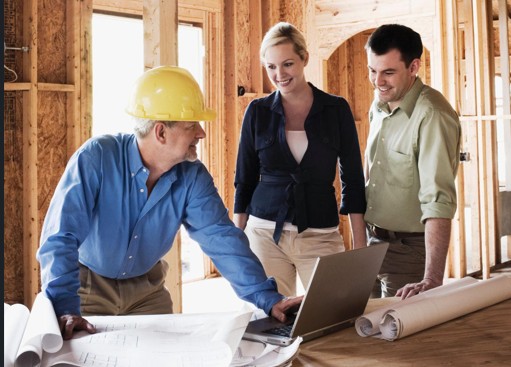
Building involves a lot of people: the builder, lender, title company, inspectors, contractors, suppliers, and possibly architects or designers.
Each professional has an important role, but buyers also benefit from having someone looking at the process from their perspective.
That means considering the land, financing, contract, construction decisions, current home sale, future resale, and ultimately whether the finished property supports the life they’re trying to create.
Build the Life First. Then Build the House.
A successful new build isn’t defined by having the biggest kitchen, the trendiest finishes, or the most upgrades.
It’s a home that makes sense for your finances, your property, your future, and the way you want to live.
That’s also why we created our Building with Confidence series. Along with local lending and building professionals, we’re walking through the questions buyers often don’t know to ask from deciding whether building is right for you to financing, choosing land, selecting a builder, understanding construction, and eventually getting the keys.
If building a home in Southeast Michigan or Northwest Ohio is something you’re considering even if it’s still a year or two away—you don’t have to wait until you’re ready to sign a contract to start planning.
Sometimes the best first step is simply asking the right questions.