There’s a moment most homeowners don’t expect. It doesn’t happen all at once, and it rarely shows up as something obvious like needing another bedroom. It’s quieter than that. Subtle. It’s the feeling that something no longer fits the way it used to.

I’ve sat at kitchen tables with clients who couldn’t quite explain why their home wasn’t working anymore. On paper, everything looked right. Enough space, a good neighborhood, a home they once loved. But when they started describing their day-to-day life, it became clear the home hadn’t kept up with who they had become.
That’s often where this conversation begins.
A home should support your lifestyle, not make it harder. And when it starts doing the opposite, it’s usually a sign that you’ve outgrown it.
Sometimes it shows up in the small, everyday moments. The kitchen feels crowded when everyone is home at once. There’s no quiet place to work, even though your schedule now requires it. Storage feels tight, not because the home is too small, but because your life has expanded in ways the home wasn’t designed for. These aren’t dramatic problems, but they add up over time.
Other times, it’s more about how you want to live. I’ve worked with clients who realized they were spending all their time maintaining a home they no longer enjoyed. The yard felt like a chore instead of a place to relax. Rooms went unused. The layout didn’t reflect how they actually live today. They weren’t looking for more they were looking for better.
That’s a different kind of move, and one that deserves more thought than simply upsizing.

This is something I talk about often in my book, Less Home, More Living. It’s not about having the biggest house or the most square footage. It’s about having the right home for this season of your life. One that aligns with how you spend your time, what you value, and what you want your everyday life to feel like.
Because outgrowing a home isn’t always about space. It’s about alignment.
There are also seasons where the shift is more obvious. Growing families needing functional space for kids, hobbies, and routines. Empty nesters wanting less maintenance and more flexibility to travel. Clients building new construction because they’ve reached a point where they want a home designed specifically for their lifestyle, not one they have to adapt to.
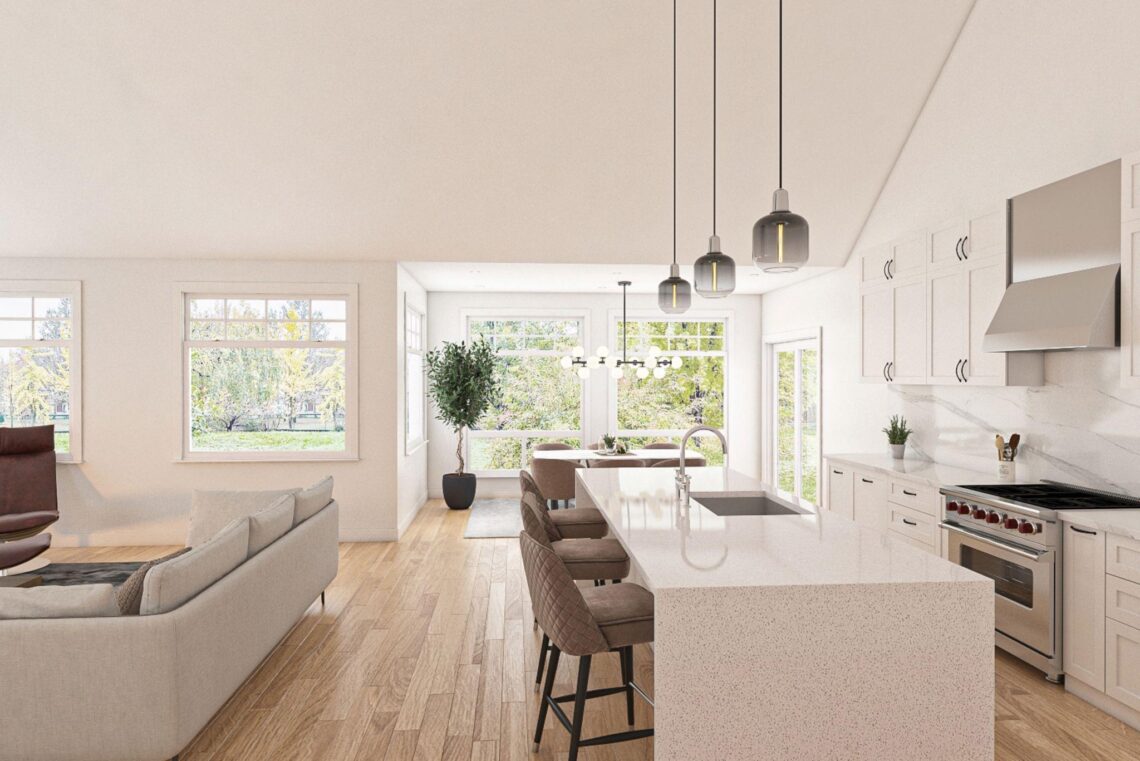
I’ve walked through new construction plans with buyers who finally felt like they were building something that made sense for how they live now. Open kitchens with natural light, intentional office spaces, outdoor living areas that actually get used. It’s not just about upgrading—it’s about creating a home that works.
And sometimes, the realization comes from looking ahead instead of just at today.
You start asking different questions. Will this home still work for me in five years? Does it support the lifestyle I’m moving toward, or the one I’m trying to leave behind? Those are powerful questions, and they often lead to meaningful decisions.
For many of my clients, that’s the turning point.
If you’ve been feeling a little unsettled in your home, or like something isn’t quite right, it’s worth paying attention to that. It doesn’t always mean you need to move right away. But it does mean it might be time to explore your options and think about what would serve you better.
Because the goal isn’t just to have a home. It’s to have a home that fits your life.
If this is something you’ve been thinking about, you might also find value in my book When Your Life Outgrows Your Home: How to Build or Buy for the Life You Want, where I walk through how to evaluate your current home and what to consider when making your next move.
And if you’re curious what your options might look like in today’s market, or whether a move or even building makes sense for you, that’s a conversation I’m always happy to have.




One comment on “How to Know When You’ve Outgrown Your Current Home”