There is something wonderfully spontaneous about travel. The unexpected café you discover down a quiet side street, the afternoon that stretches longer than planned because the view is simply too beautiful to leave, or the small coastal village that becomes the favorite part of a trip you thought was about somewhere else entirely.
But the best European vacations rarely begin spontaneously.
They begin months before departure, when there is still time to choose the right destination, the right accommodations, and, perhaps most importantly, the right way to experience it. And while 2027 may sound comfortably far away, travelers dreaming about Europe should already be thinking about what they want that journey to look like.
Not necessarily booking every dinner reservation or choosing every excursion today. Planning early is really about something much more valuable: having choices.
Europe Is Changing and So Is the Way We Travel It
For years, the classic European vacation often meant checking off the familiar icons: Paris, Rome, London, Barcelona, and perhaps a whirlwind itinerary connecting several of them.
Those places remain extraordinary, but many travelers are beginning to want something different. They still want to see Europe, but they don’t necessarily want to experience it surrounded by thousands of other people following the exact same itinerary.
Instead, some of the most interesting European journeys are becoming slower, smaller, and more intentional.
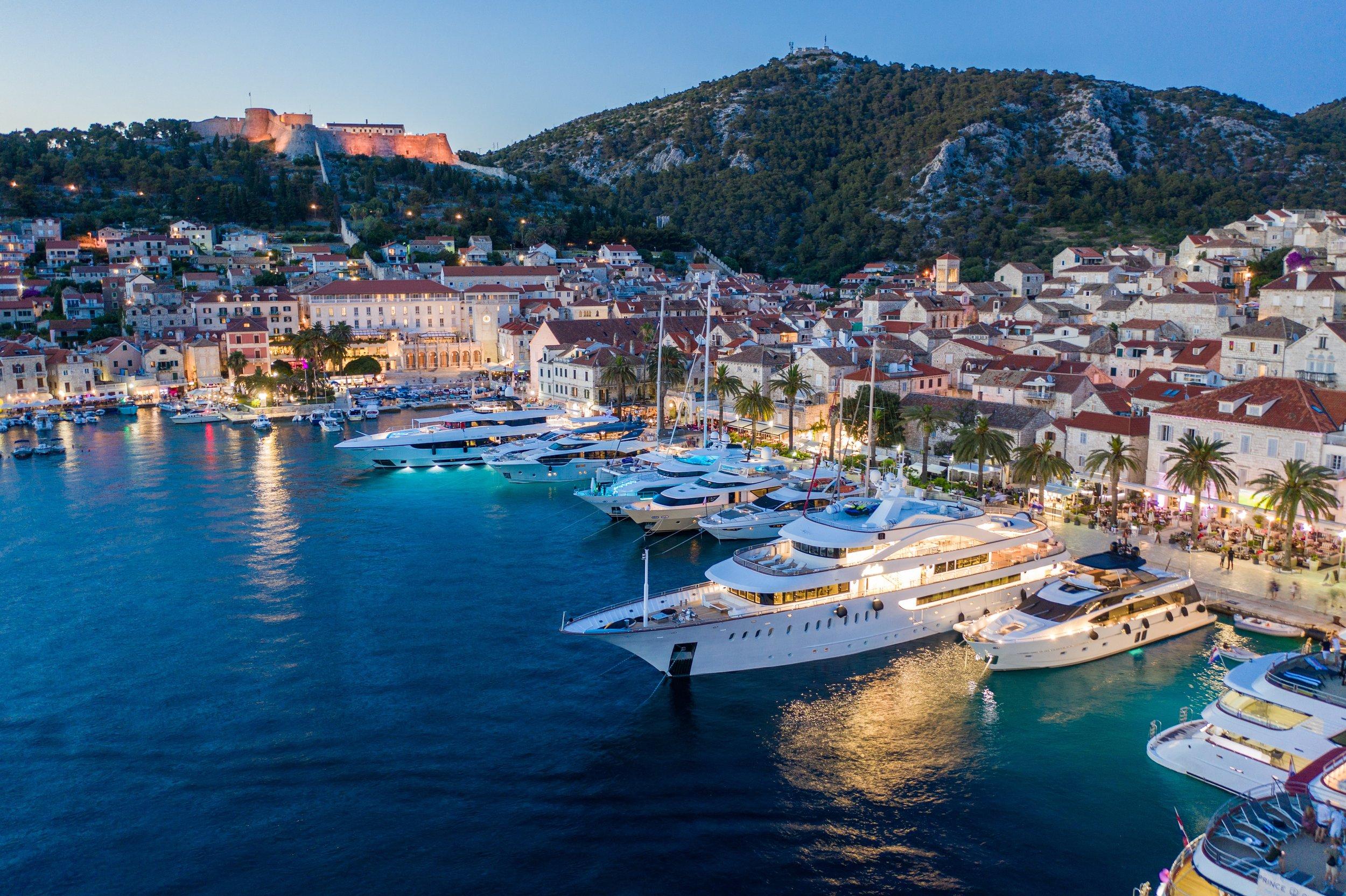
Think of sailing along Croatia’s Adriatic coastline aboard a boutique yacht, waking to a new harbor rather than another hotel checkout. Imagine traveling through Switzerland by rail, where the journey through the Alps becomes as memorable as the destination itself. Or spending several nights in Tuscany, Provence, or Portugal rather than racing through three countries in ten days.
This is the Europe I find especially compelling right now not simply a collection of famous landmarks, but a place to experience through food, landscapes, culture, beautiful accommodations, and the luxury of having enough time to enjoy where you are.
The New Luxury Is Access, Space, and Time
Luxury travel has evolved considerably. A beautiful hotel still matters, of course, but today’s most memorable trips often have less to do with marble lobbies and more to do with how a destination feels when you’re experiencing it.
A smaller ship that can enter ports the larger vessels cannot. A private guide who introduces you to a neighborhood rather than simply pointing out its monuments. A countryside hotel where dinner comes from ingredients grown nearby. A rail journey where you settle into your seat, order a glass of wine, and watch the Alps unfold outside your window.
Those experiences often have limited availability by their very nature.
The charming boutique hotel may have only a few dozen rooms. The ideal cabin on a small ship may be one of only a handful in its category. A favorite villa might accommodate only one group each week. Certain rail routes, private guides, and sought-after experiences can also become more difficult to coordinate once peak travel dates begin filling.
Planning ahead doesn’t remove the spontaneity from travel. It actually protects it by getting the logistics right before you arrive.
2027 Europe Doesn’t Have to Mean the Obvious Places
One of my favorite things about planning Europe right now is how many possibilities exist beyond the traditional itinerary.
Croatia continues to stand out for travelers who love the Mediterranean but want something that combines historic cities, islands, beautiful water, local cuisine, and a more intimate style of travel. Portugal offers its own wonderful combination of cities, coastline, wine country, and relaxed sophistication.
Northern Europe opens an entirely different world: dramatic Norwegian fjords, Scandinavian capitals, coastal villages, and summer days when daylight seems almost endless.
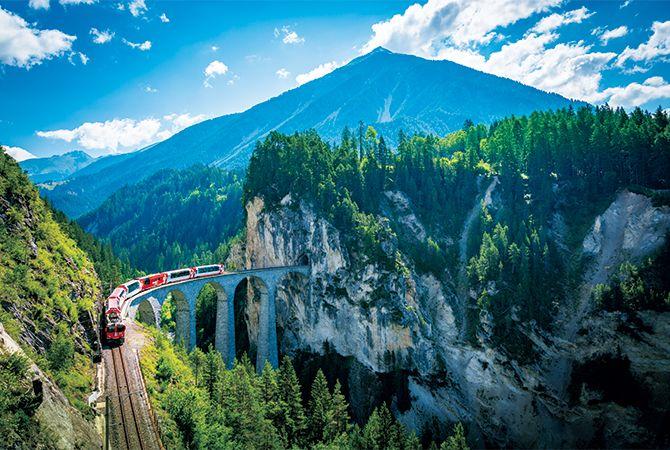
Then there are journeys where transportation becomes part of the experience. Switzerland and the Alps are perfect examples. Pair scenic rail with mountain resorts, charming villages, and a few carefully chosen city stays, and suddenly you’re not simply traveling through Europe you’re experiencing the landscape along the way.
And Italy? Italy will always deserve a place on the list. But even there, the question is no longer simply, Should we go to Italy?
It’s which Italy do you want to experience?
Perhaps it’s a villa in Tuscany, a food-focused journey through Emilia-Romagna, the lakes of northern Italy, a quieter corner of Sicily, or a small-ship sailing that allows you to explore the coastline without constantly packing and unpacking.
The possibilities become much more interesting when we stop beginning with a list of landmarks and start with the kind of experience we actually want.
Start With the Journey, Not the Destination
This is one of the biggest shifts I’ve made in the way I think about travel.
Instead of asking, “Where do you want to go?” I often think the better question is, “How do you want this trip to feel?”
Do you want mornings with nowhere you need to be? Do you love food and wine? Are you happiest near the water? Do you want history and architecture, but also time to sit at a café and watch everyday life happen around you? Would you rather unpack once aboard a small ship or settle into two beautiful hotels and explore from there?
Those answers can completely change the itinerary.
A couple dreaming about Italy may discover that Croatia actually offers more of what they’re seeking. Someone considering a traditional Mediterranean cruise might be happier aboard a smaller yacht-style ship. A traveler who originally imagined visiting several European capitals may realize that a rail journey through Switzerland and northern Italy creates the slower, more scenic vacation they really wanted.
That is where thoughtful planning becomes less about reservations and more about designing the experience.
Why 2027 Planning Is Already Worth Starting
You don’t need every detail figured out today.
In fact, I wouldn’t recommend it.
The first stage of planning should be enjoyable: narrowing down ideas, comparing different styles of travel, understanding realistic budgets, and deciding which experiences deserve priority.
Starting now gives you time to explore those possibilities without feeling pressured into choosing whatever happens to remain available later.
It also creates room for something travelers sometimes underestimate: anticipation.
There is genuine pleasure in having an extraordinary trip ahead of you. Reading about the places you’ll visit, discovering restaurants you might want to try, learning a little about the region, and imagining those first moments after arrival are all part of the experience.
Travel doesn’t have to begin at the airport.
What Could Your 2027 Europe Look Like?
Perhaps it’s ten days exploring Portugal, beginning in Lisbon before slowing down in the Douro Valley.
Maybe it’s Switzerland by rail, followed by a few quiet days beside an Italian lake.
It could be a Mediterranean sailing aboard a smaller ship, visiting ports that aren’t overwhelmed when thousands of passengers arrive at once.
Or perhaps it’s something you haven’t considered yet a destination discovered simply because it matched the way you wanted to travel.
That, to me, is where travel becomes especially exciting.
The smartest travelers planning Europe for 2027 aren’t necessarily the ones booking the earliest. They’re the ones giving themselves enough time to make thoughtful choices before those choices become limited.
So if Europe has been somewhere in the back of your mind, you don’t need to know exactly where you’re going yet.
You simply need to start imagining what your version of Europe might look like.
Because the best journeys aren’t about seeing the most places. They’re about choosing the experiences you’ll still be talking about years after you come home.