There comes a point when a home can still be wonderful, full of memories, and completely paid for or close to it and yet no longer fit the life you want to live.
Maybe the bedrooms that once seemed essential now sit mostly empty. The formal dining room gets used a handful of times a year. Weekends that could be spent traveling, visiting family, enjoying the lake, or simply relaxing seem to disappear into mowing, landscaping, cleaning, repairs, and another project around the house.
For many homeowners, especially those approaching retirement or entering a new season of life, the question isn’t necessarily, Do I need to downsize?
A better question may be: What do I want my home to make possible next?
That is the idea behind Less House. More Living. It isn’t simply about moving into fewer square feet. It’s about intentionally creating a home and a lifestyle that better reflects where you’re going instead of where you’ve been.
Downsizing Isn’t Always About Going Small
The word downsizing can make people picture giving up space, belongings, comfort, or the home they’ve worked hard to create. In reality, some of the best next-chapter moves aren’t dramatic downsizes at all.
You might move from a large two-story home into a thoughtfully designed ranch with fewer square feet but better everyday functionality. You might choose a condominium where exterior maintenance is handled for you. You might build a smaller home with the primary bedroom, laundry, kitchen, and living spaces all on one level, while keeping enough room for visiting children and grandchildren.
For someone else, the right answer might be a home with less yard but a beautiful patio, a neighborhood where walking to dinner is possible, or a property that makes it easier to leave for several weeks without worrying about what is happening back home.
The goal isn’t to own less simply for the sake of owning less.
The goal is to make your home work harder for the life you actually want.
When the House Starts Asking More From You
One of the interesting things about homeownership is how gradually things change.
The house that worked beautifully while raising a family can slowly become a house you’re maintaining more than enjoying. It doesn’t happen overnight. Instead, you begin noticing the little things: rooms you rarely enter, stairs you don’t particularly want, landscaping that takes an entire Saturday, or repairs you’re making to spaces you barely use.
Financially, the picture can change, too. A larger home may mean higher utilities, insurance, property taxes, maintenance costs, and eventually major updates. Even homeowners without a large mortgage can find themselves putting significant money into maintaining a lifestyle they aren’t sure they still want.
That doesn’t automatically mean it’s time to sell.
It does mean it’s worth asking whether those resources your time, money, and energy could be used differently.
Perhaps you’d rather travel more often. Maybe you’d like the freedom to spend part of the winter somewhere warm. You may want to be closer to family, entertain differently, explore a new community, or simply have fewer things demanding your attention.
Those aren’t just housing decisions. They’re lifestyle decisions.
Your Next Home Should Be Designed Around Your Next Life
I think this is where the conversation around downsizing often gets it wrong.
People begin by asking, How small should we go?
I’d rather begin with, How do you want to live?
If you love hosting Thanksgiving, eliminating your dining space entirely might make little sense. If grandchildren regularly stay overnight, you’ll probably still want guest rooms. If travel is becoming a priority, a low-maintenance home that can easily be locked and left may matter far more than having a large yard.
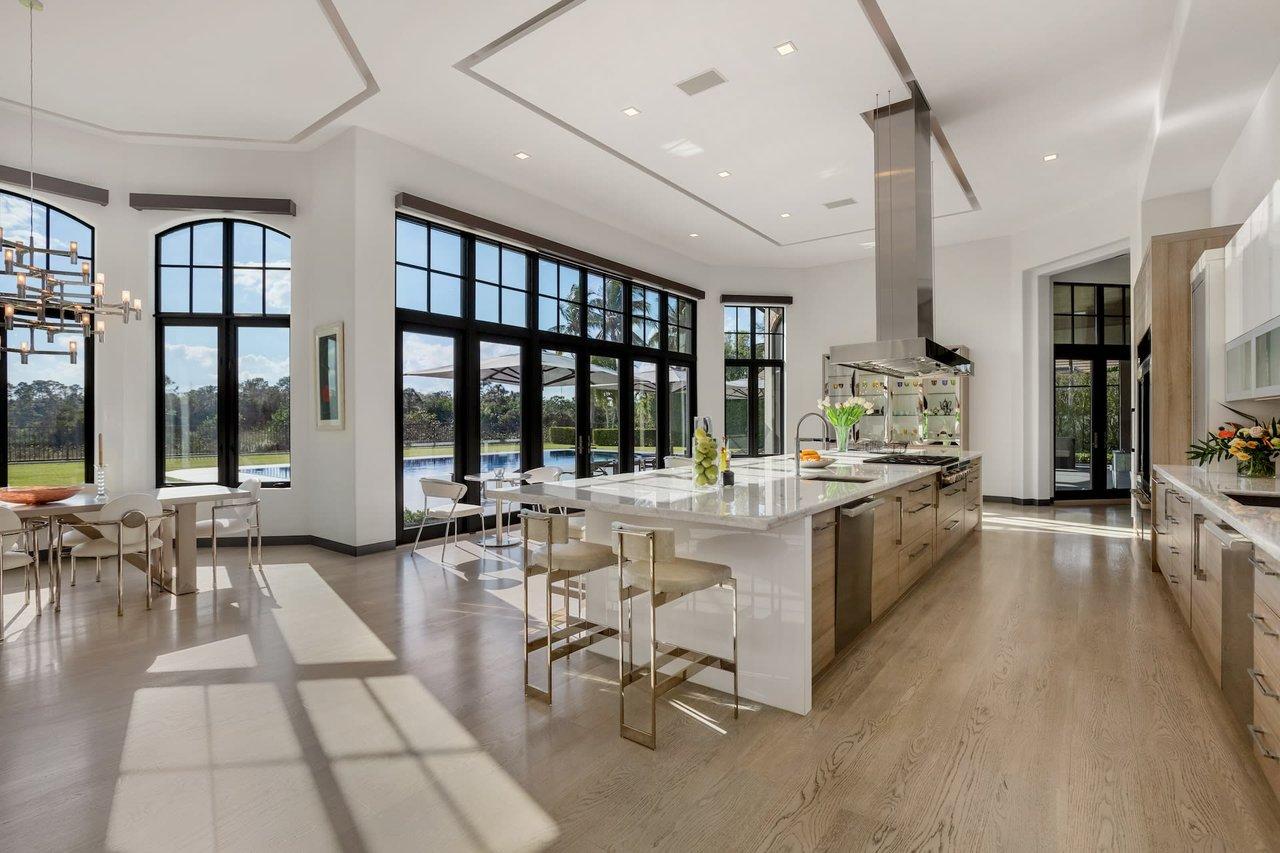
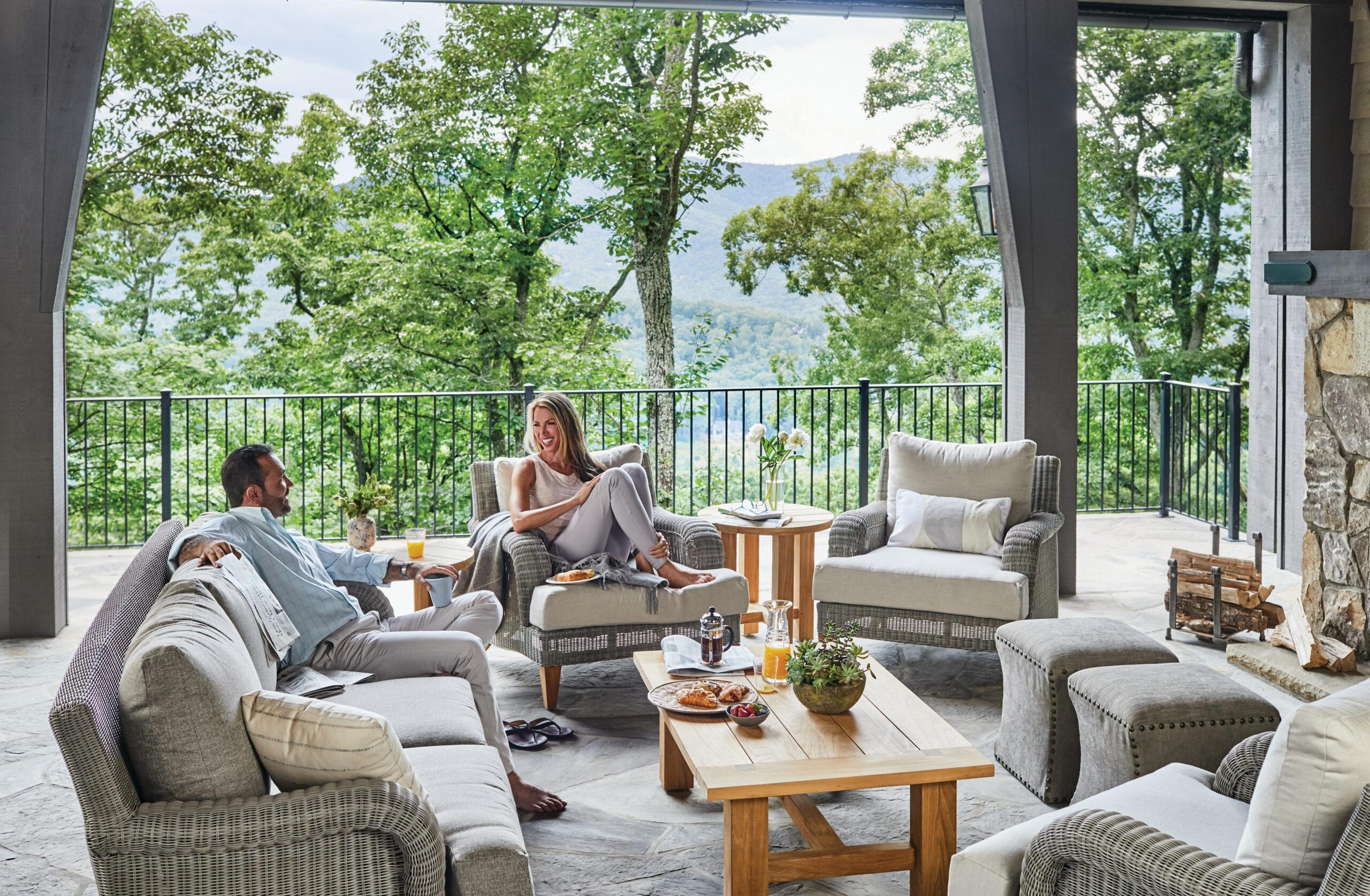
Maybe you’ve always wanted a beautiful kitchen because cooking and entertaining are part of your lifestyle. Keep it. Perhaps you want a screened porch where you can have your morning coffee. Prioritize it. If you’ve dreamed about having a small home office, workshop, garden, or space for visiting family, those things deserve consideration, too.
A next-chapter home shouldn’t feel like a collection of compromises.
It should feel intentional.
Sometimes the Best Move Is Building What You Can’t Find
For homeowners in Monroe County, Southeast Michigan, and Northwest Ohio, another option deserves more attention: building a home specifically for this stage of life.
Existing homes don’t always offer the combination people are looking for. You may want one-level living without sacrificing architectural character. You might want fewer square feet but a generous kitchen, primary suite, pantry, covered porch, and enough storage to keep the home functional.
Building can allow you to put the square footage where you’ll actually use it.
That might mean eliminating formal rooms while creating a better kitchen and gathering space. It could mean wider doorways, fewer steps, a first-floor laundry, or a bathroom designed with the future in mind without making the home look institutional. You can also think differently about the lot itself perhaps choosing less acreage, a smaller yard, or a community where maintenance is easier.
This isn’t necessarily about building your dream home in the traditional sense.
It may be about building your freedom home the place that gives you the flexibility to enjoy everything else you’ve worked for.
The Financial Conversation Matters, Too
For longtime homeowners, deciding whether to move can be complicated because today’s housing market looks very different from the one in which many people purchased or refinanced their current homes.
You may have significant equity, a very low mortgage rate, or no mortgage at all. That can make staying put seem like the obvious financial choice.
Sometimes it is.
But the mortgage payment is only one part of the equation.
Before making a decision, look at the complete picture: current home value and equity, property taxes, insurance, utilities, maintenance, upcoming repairs, the cost of purchasing or building another home, and what you would ultimately have left after selling and moving.
Then add something that doesn’t appear neatly on a spreadsheet: What is your time worth?
There is real value in having fewer responsibilities, greater flexibility, and a home that supports the things you want to do.
The smartest decision isn’t automatically the least expensive house or the smallest house. It’s the option that creates the right balance between financial security and quality of life.
You Don’t Have to Wait Until You Have to Move
Perhaps the biggest mistake I see is waiting until a move becomes necessary.
A health change happens. Stairs suddenly become difficult. Maintaining the property becomes overwhelming. A spouse passes away. Family members become concerned. What could have been a thoughtful, exciting transition becomes a rushed and emotional decision.
Planning earlier gives you choices.
You can take time to understand what your current home is worth, explore communities, tour different styles of homes, talk with builders, evaluate your finances, and decide what you’d actually want before putting a sign in the yard.
You might ultimately decide to stay exactly where you are.
That’s valuable information, too.
The purpose of planning isn’t to convince yourself to move. It’s to make sure you’re living where you are because it still supports the life you want—not simply because moving feels overwhelming.
What Would More Living Look Like for You?
Maybe it’s spending January somewhere warm without worrying about a big house sitting empty.
Maybe it’s taking the trip you’ve talked about for years.
Maybe it’s Sunday dinners with your family in a home that’s easier to entertain in. Perhaps it’s a smaller yard, a beautiful porch, a walkable community, or finally having the freedom to spend your weekends doing something other than maintaining your property.
Your definition will be different from someone else’s.
And that’s exactly the point.
Less House. More Living. isn’t really about downsizing. It’s about right-sizing your home around the life you want next.
If you’ve started wondering whether your current home still fits, you don’t need to have the answer today. Start with the conversation. Understand your home’s value, explore what your next options could look like, and think about what you want the next five, ten, or twenty years to include.
Because sometimes the next chapter isn’t about giving something up.
It’s about making room for more of what matters.